
Blog
Exploring New Perspectives
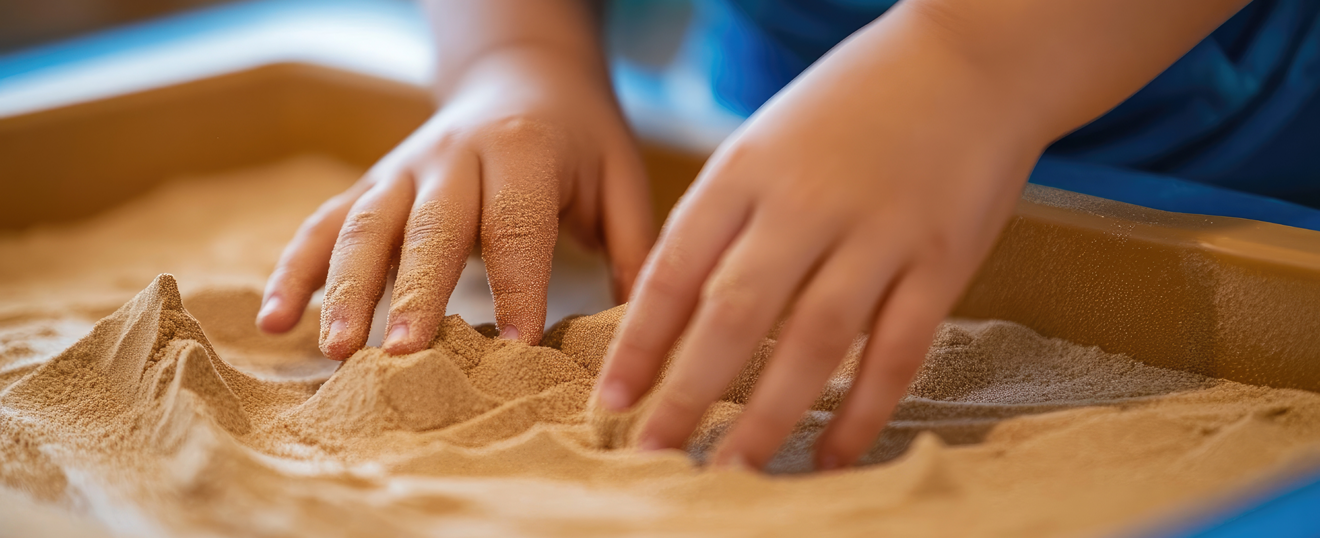
Creating safe, structured environments to support sensory development and emotional regulation.
Sensory integration therapy is a highly specialized area of occupational therapy that focuses on helping individuals process and respond to sensory information in a balanced and effective way. Our senses—sight, hearing, touch, taste, smell, movement, and body awareness—play a critical role in how we experience the world. When the brain struggles to interpret sensory signals properly, it can lead to sensory processing difficulties, which may manifest as discomfort with certain textures, sensitivity to noise, or a constant need for movement. These challenges can be especially noticeable in children and may interfere with learning, social interactions, and daily routines.
A sensory integration therapist is trained to assess these difficulties and create a tailored therapy plan. Sessions often take place in a specially designed environment filled with swings, climbing structures, tactile toys, and other equipment that provides controlled sensory experiences. Through structured play and guided activities, children can explore sensory input in a safe way while developing their ability to regulate emotions and responses. Over time, this helps them become more confident, adaptable, and comfortable in their environments.
Parents are also given practical strategies to use at home and school, helping children apply these new skills in real-world settings. Sensory integration therapy is not limited to children; adults who struggle with sensory processing challenges can also benefit greatly. The ultimate goal of this therapy is to build a stronger connection between the brain and body, allowing individuals to navigate life with improved focus, confidence, and self-regulation.